Oakleigh, a heritage estate, established 1833
MENU

Explore the estate

Discover Oakleigh

Nearly two centuries of Mobile history, told through one remarkable place.

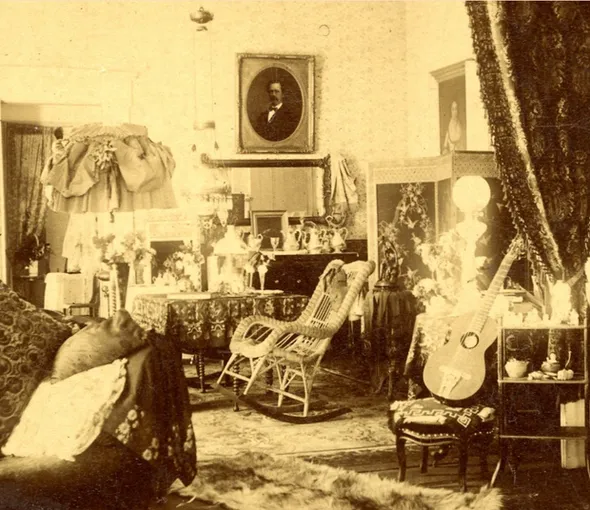
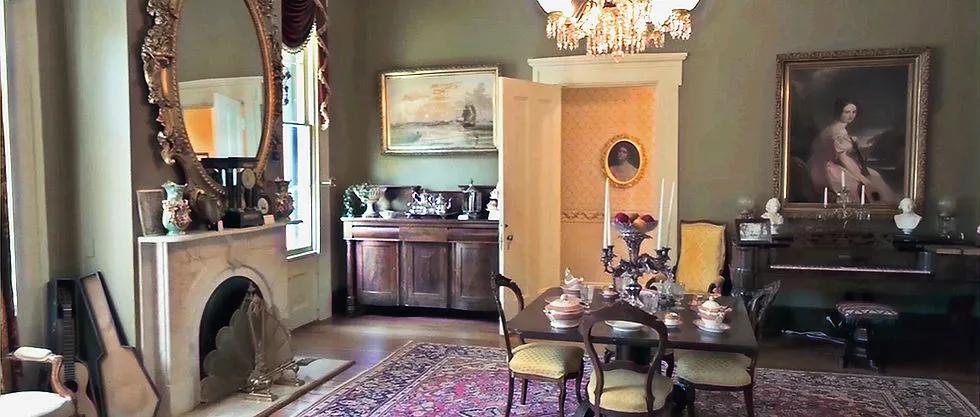
Historic rear parlor inside Oakleigh

Generations at Oakleigh

Five Families. Nearly Two Centuries

Across nearly two centuries, generations of families called Oakleigh home. Each encountered a changing Mobile and left an imprint on the house, its collections, and the stories preserved here today.

1830s–1955

Families of Oakleigh

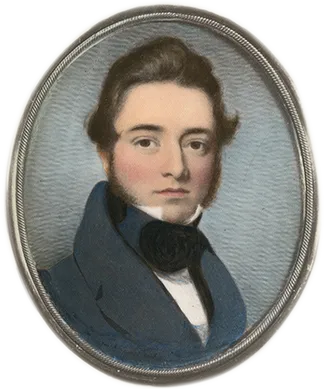
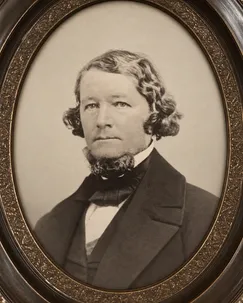
Portrait of James W. Roper

Roper Family · 1830s–c.1850

James W. Roper

James W. Roper and his wife, Sarah Ann Davenport, were Oakleigh's first owners. After Sarah's death, Roper married Eliza Simison. The Roper family established Oakleigh during Mobile's rapid antebellum growth, beginning the story of a house that would continue to evolve for generations.
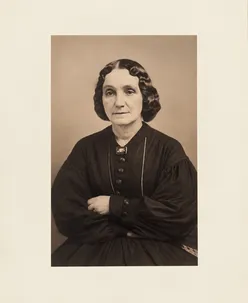
Portrait of Eliza Simison Roper

Roper Family · 1830s–c.1850

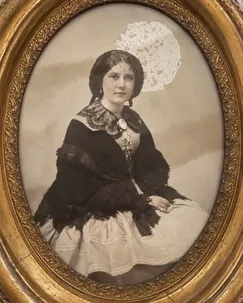
Eliza Simison Roper

After Sarah Ann Davenport's death, James W. Roper married Eliza Simison. Her story is part of the earliest generations connected to Oakleigh and the changing life of the estate.

Portrait of Alfred Irwin

Irwin Family · c.1850–1880

Alfred & Margaret Kilshaw Irwin

Alfred and Margaret Kilshaw Irwin made Oakleigh their home for roughly three decades. Their years at the estate spanned a transformative period in Mobile's history, including the Civil War, emancipation, and Reconstruction. Much of Oakleigh's present interior is associated with their time here.

Portrait of Cely Gaither

Beyond the family · 19th century

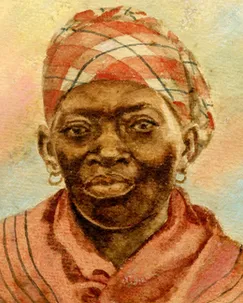
Cely Gaither

Oakleigh's story extends beyond the families who owned the estate. Enslaved people lived and worked here before emancipation, and later generations of domestic workers also shaped daily life at Oakleigh. Their experiences are essential to understanding the property's history and the changing society around it.

Portrait of Thomas Kilshaw Irwin

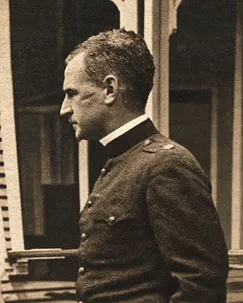
T.K. & Mary Irwin · 1880–1906

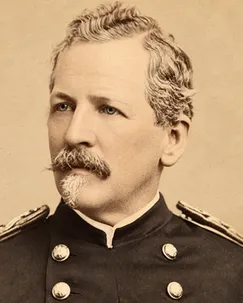
Thomas Kilshaw Irwin

Thomas Kilshaw “T.K.” Irwin inherited Oakleigh and made it his home with his wife, Mary Ketchum Irwin. A Confederate veteran who later became prominent in Mobile's cotton trade, he experienced profound change in the city and the nation. Surviving correspondence in the Minnie Mitchell Archives offers a personal window into the Irwins' lives.

Portrait of Mary Ketchum Irwin

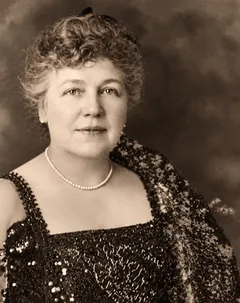
Irwin family · 1880–1906

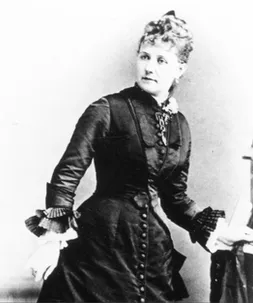
Mary Ketchum Irwin

Mary Ketchum Irwin made Oakleigh home with her husband, Thomas Kilshaw “T.K.” Irwin. The family's surviving letters in the Minnie Mitchell Archives offer a personal view into their life at Oakleigh and the changes Mobile experienced.

Portrait of Daisy Irwin Clisby

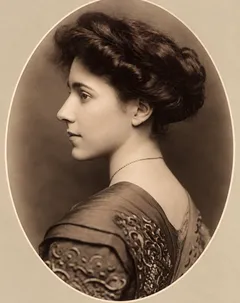
Daisy Irwin Clisby · 1906–1916

Daisy Irwin Clisby

Daisy Irwin Clisby, granddaughter of Alfred and Margaret Irwin and daughter of T.K. and Mary, represented the final generation of the Irwin family at Oakleigh. After more than six decades of Irwin family ownership, Daisy sold the estate in 1916.

Portrait of Herbert Cole

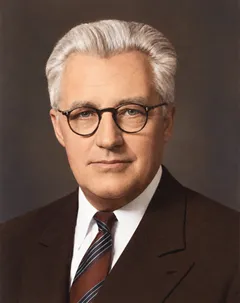
Cole Family · 1916–c.1930s

Herbert Cole

Dr. Herbert Cole and his family purchased Oakleigh in 1916. During the Cole years, the historic 1866 Union Barracks was relocated to the property around 1919–1920 and used as housing for African American domestic workers, reflecting the estate's continuing evolution.

Portrait of Harold Denniston

Denniston Family · c.1930s–1940s

Harold & Lillian Denniston

Harold and Lillian Denniston made Oakleigh their home during the middle decades of the twentieth century. Their years at the estate coincided with continued change and modernization, as Oakleigh increasingly came to be recognized for its architectural and historical significance.

Portrait of Susanna Robinson Gwynn

Gwynn Family · 1940s–1955

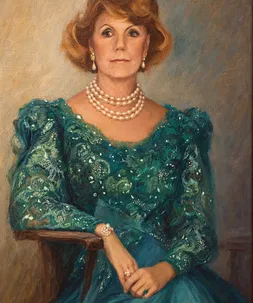
Susanna Robinson Gwynn

Susanna Robinson Gwynn was Oakleigh's final private owner. In 1955, she sold the estate to the City of Mobile with the understanding that the historic property would be used as a museum or educational center, beginning a new chapter devoted to preservation and public history.

A changing home

Life at Oakleigh Across Generations

As families and generations came and went, Oakleigh's rooms and the lives lived within them changed too. Historic photographs and collections help reveal those layers of family history, labor, architecture, and daily life.

Archival view of the Irwin-era Oakleigh parlor

Preserving Oakleigh

From Private Home to Public History

Historic parlors at Oakleigh

In 1955, Oakleigh's long history as a private residence came to an end when Susanna Robinson Gwynn sold the property to the City of Mobile with the understanding it would serve as a museum or educational center. The following year, the Historic Mobile Preservation Society entered into an agreement with the City to operate Oakleigh, beginning a chapter devoted to preservation, education, and public access.

Oakleigh was added to the National Register of Historic Places in 1971. Today, HMPS continues to preserve and interpret the estate for Mobile and visitors from around the world.

Architecture & collections

Discover the Details

From its distinctive raised architecture to the objects preserved within its rooms, Oakleigh reveals nearly two centuries of changing tastes, technologies, and daily life.

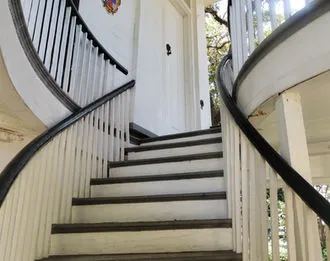
The sweeping historic staircase at Oakleigh
Architecture · Designed for the Gulf Coast

Raised form, sweeping staircase, and broad galleries shaped by Mobile's climate and nineteenth-century building traditions.

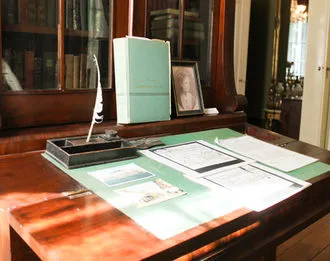
Oakleigh's historic library
Collections · Objects That Tell the Story

Furniture, documents, decorative arts, paintings, and personal objects connect Oakleigh to generations of Mobile history.

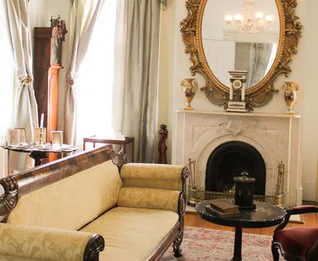
An Oakleigh parlor preserved with historic furnishings
Interiors · Rooms Shaped by Generations

The interiors preserve layers of changing taste, family life, and adaptation within the historic house.

Experience Oakleigh

Discover the Story in Person

Walk through Oakleigh's rooms, encounter the people who shaped the estate, and discover the stories preserved within one of Mobile's most remarkable historic places.

Book a Tour